Immune-Boosting Herbs: Separating the Real Deals from the Overpriced Hype
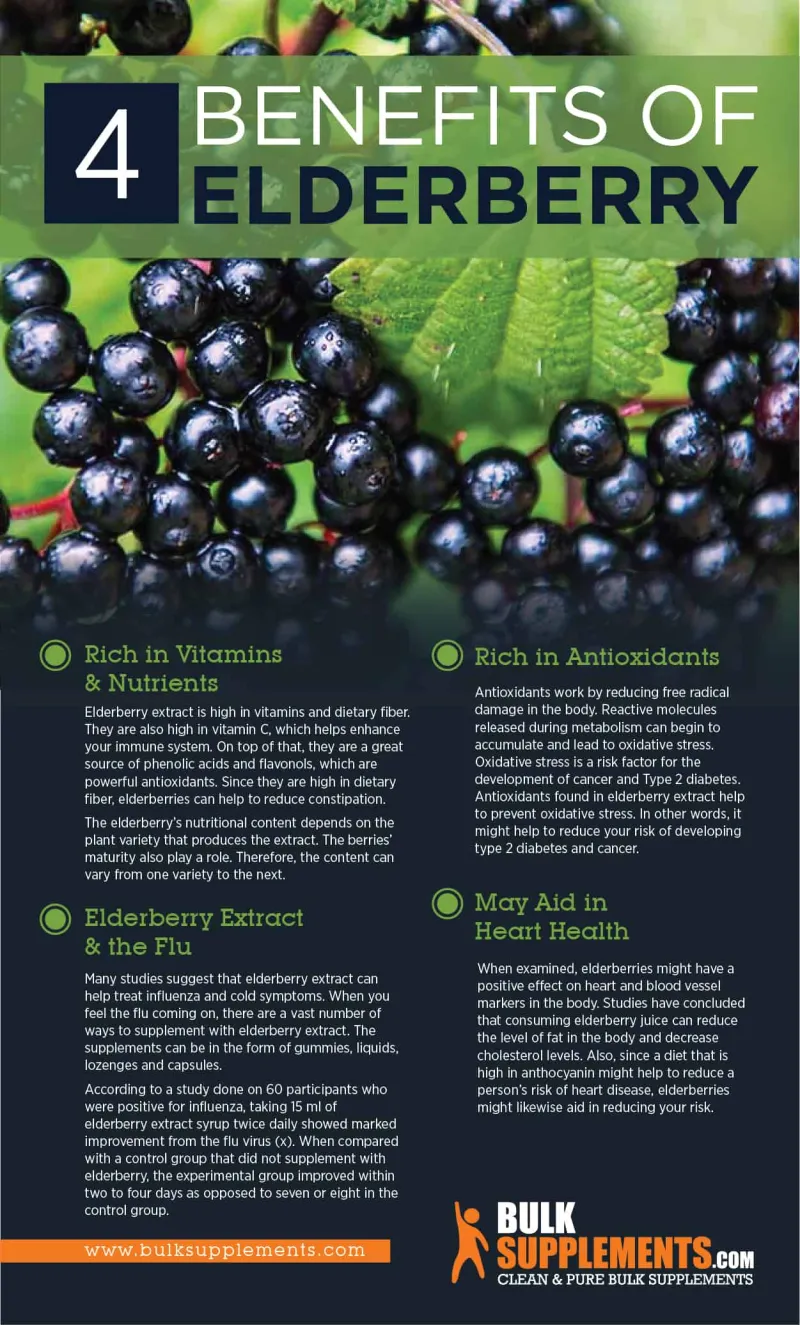
Photo: elderberry echinacea medicinal mushroom herbal immune supplements flat lay, via cdn-community.pressidium.com
Every fall, like clockwork, the supplement aisle transforms into a fortress of immune promises. Elderberry gummies, echinacea tinctures, mushroom capsules, zinc lozenges — all of them competing for your attention (and your wallet) with bold claims about "supporting your immune system." And every year, millions of Americans buy them, often without a clear sense of what the evidence actually says.
Let's be honest about something upfront: the phrase "supports immune health" is one of the most loosely used claims in the supplement industry. It's a legal gray zone that allows companies to imply powerful effects without technically making drug claims. That doesn't mean the products don't work — some genuinely do. But it does mean you need to be a more discerning shopper.
Here's a frank look at some of the most popular immune-support herbs on the market, and what the science actually says about each one.
Elderberry: Genuinely Useful, But Not a Cure
Elderberry (Sambucus nigra) has probably done more to revive interest in herbal medicine among mainstream American consumers than almost any other ingredient. And honestly? The enthusiasm isn't entirely unwarranted.
Several clinical trials have found that elderberry extract can reduce the duration and severity of colds and flu when taken at the onset of symptoms. A 2016 randomized controlled trial published in Nutrients found that travelers who took elderberry extract experienced significantly shorter colds and less severe symptoms than the placebo group. A 2019 meta-analysis also concluded that elderberry substantially reduced upper respiratory symptoms.
So elderberry earns its spot as a legitimate option — particularly for shortening the duration of illness rather than preventing it outright. The key phrase there is "at onset." Taking elderberry year-round as a preventive measure has much weaker support than taking it when you feel something coming on.
One more thing worth noting: raw elderberries contain compounds that can cause nausea. Reputable elderberry products use properly processed extracts. Quality matters here.
Echinacea: A Complicated Story
Echinacea is probably the most studied immune herb in Western herbalism, and also one of the most debated. The research is genuinely mixed, which has led to frustration on both sides — true believers who swear by it and skeptics who dismiss it entirely.
Here's a more nuanced take: echinacea's effectiveness appears to depend heavily on the species used (there are multiple), the part of the plant (root vs. aerial parts), the extraction method, and the dose. Studies using Echinacea purpurea in standardized extracts have shown more consistent positive results than studies using other preparations.
A 2015 Cochrane review — one of the gold standards in evidence-based medicine — concluded that some echinacea preparations may reduce the incidence of colds and shorten their duration, but the evidence was inconsistent across products. Translation: some echinacea products probably work; others probably don't. And since most labels don't tell you which species or plant part was used, you're often buying a mystery.
If you're going to use echinacea, look for standardized Echinacea purpurea extract from a transparent brand that shares third-party testing results. And like elderberry, it's better suited for acute use than daily long-term supplementation.
Medicinal Mushrooms: The Category Worth Watching
Functional mushrooms — including reishi, lion's mane, turkey tail, and chaga — have become one of the fastest-growing segments in the supplement market, and the science behind some of them is genuinely interesting.
Turkey tail (Trametes versicolor) contains compounds called polysaccharide-K (PSK) and polysaccharide-peptide (PSP), which have been studied extensively in Japan as adjunct treatments in cancer care, where they appear to support immune function during chemotherapy. That's not a trivial finding.
Reishi (Ganoderma lucidum) has a long history in traditional Chinese medicine and some promising research on immune modulation — meaning it may help regulate immune response rather than simply "boost" it. That distinction is actually important, since a hyperactive immune response is the underlying problem in autoimmune conditions.
The honest caveat here is that much of the existing mushroom research comes from in vitro studies (cells in a lab) or animal models, with fewer large-scale human clinical trials. The results are promising enough to be worth attention, but the "miracle mushroom" marketing is running well ahead of the evidence.
Also worth knowing: the quality of mushroom supplements varies wildly. Some products contain mostly mycelium grown on grain rather than the actual fruiting body, which means lower concentrations of the active compounds. Look for products that specify fruiting body content and beta-glucan percentages.
The Ingredients That Are Mostly Hype
Not everything on the immune shelf deserves your money. A few examples:
Proprietary blends with undisclosed doses — If a product lists 12 ingredients but doesn't tell you how much of each is in there, you have no way of knowing whether any of them are present at therapeutic levels. This is a common way to include trendy ingredients at trace amounts just to get them on the label.
Vitamin C megadoses — Vitamin C is legitimately important for immune function, but the idea that taking 2,000+ mg a day will prevent illness is not well-supported. If you're not deficient, extra vitamin C largely just gets excreted. A regular diet with plenty of fruits and vegetables typically covers your needs.
Colloidal silver — This one should be a hard pass. There is no credible clinical evidence that it supports immune function, and excessive use can cause argyria (permanent skin discoloration). The FDA has stated it's not safe or effective for any health condition.
What Actually Builds a Resilient Immune System
Here's the part of the conversation that supplement marketing conveniently skips: no herb or supplement is a substitute for the foundational habits that genuinely support immune health.
Adequate sleep (consistently 7-9 hours) has some of the strongest evidence of any lifestyle factor for immune resilience. Chronic stress measurably suppresses immune function — which is where adaptogenic herbs like ashwagandha can legitimately play a supporting role. Regular moderate exercise, a diet rich in whole foods and diverse plant matter, and vitamin D sufficiency (a significant percentage of Americans are deficient) all contribute more to baseline immune health than any single supplement.
The most honest immunity strategy looks like this: build the foundation with lifestyle, fill genuine nutritional gaps with targeted supplements, and use evidence-backed herbs like elderberry and quality mushroom extracts as situational tools rather than silver bullets.
Being a smart consumer in the herbal wellness space means asking for evidence, demanding transparency from brands, and resisting the urge to chase every new ingredient that lands on a podcast. The herbs that have earned their place are genuinely worth exploring — but they work best when you're not expecting them to do all the heavy lifting.