Packing Herbs for Your Next Trip: What Clears TSA and What Gets Confiscated
The Carry-On Conundrum Nobody Prepares You For
You've got your passport, your noise-canceling headphones, and a carefully curated collection of herbal supplements you genuinely rely on. Then you hit the TSA line and suddenly nothing feels certain. Can you bring loose dried herbs? What about tinctures? Does a capsule count as a liquid?
If you've ever hesitated at security because of your wellness kit, you're not alone. The rules around traveling with herbal products are surprisingly navigable — they just aren't explained anywhere useful. Let's fix that.
What TSA Actually Says (And What It Doesn't)
Here's the good news: TSA does not prohibit herbal supplements, dried herbs, or capsules in either carry-on or checked bags. Their primary concern is security threats and liquid volumes, not your ashwagandha capsules.
That said, there are a few nuances worth knowing:
Capsules and tablets are treated like any other solid item. There's no quantity limit, no special declaration required, and no need to keep them in original packaging — though keeping them labeled is always a smart move if you get pulled aside for a bag check.
Loose dried herbs are also permitted, but here's where things get visually complicated. A zip-lock bag of dried herbs can look suspicious on an X-ray screen. TSA agents have discretion, and some may want to swab or inspect the contents. To avoid delays, keep loose herbs in clearly labeled, sealed containers. Small glass jars with printed labels work beautifully here.
Tinctures and liquid extracts fall under the standard 3-1-1 liquid rule. Each container must be 3.4 ounces (100ml) or less, all containers must fit in a single quart-sized clear bag, and that bag goes in the bin during screening. Most commercial tincture bottles are 1–2 oz, so they're naturally carry-on friendly.
Herbal teas in bags or sachets are totally fine. Loose-leaf tea in larger quantities might get a second look, so portioning it into small bags or using pre-packaged sachets sidesteps any friction.
Crossing State Lines: A Separate Consideration
Federal TSA rules govern what you can bring through airport security, but state laws are a different story — especially if you're driving or if your herbs fall into a legal gray area. Kava, kratom, and certain CBD products have varying legal statuses across states. Before you pack anything that isn't a mainstream supplement, do a quick check on the destination state's regulations. The last thing you want is a roadside complication in a state where your preferred calming herb is restricted.
For most standard medicinal herbs — valerian, ginger, echinacea, elderberry, turmeric, and the like — you're unlikely to encounter any issues anywhere in the US.
The Smart Packer's Herb Kit
So what's actually worth bringing? Travel is hard on your body in very specific ways: disrupted sleep, digestive chaos, immune stress, and anxiety. Here's a focused kit that addresses all of it without taking up half your carry-on.
For jet lag and sleep disruption: Valerian root capsules and melatonin-supporting herbs like passionflower are compact, effective, and travel well. Some people also swear by adaptogenic blends containing rhodiola, which can help your body recalibrate to new time zones without the groggy morning-after feeling that stronger sleep aids sometimes cause.
For digestive issues: Travel food is unpredictable. Ginger capsules or individually wrapped ginger chews are a carry-on staple for nausea and bloating. Peppermint oil capsules (enteric-coated) can ease stomach cramping, and a few packets of slippery elm powder mixed into water can be genuinely soothing after a day of airport food.
For stress and in-flight anxiety: Small dropper bottles of lemon balm or ashwagandha tincture fit easily in your liquids bag. If you prefer something you can sip, single-serve sachets of chamomile or passionflower tea are perfect for long flights. Just ask the flight attendant for hot water — most are happy to oblige.
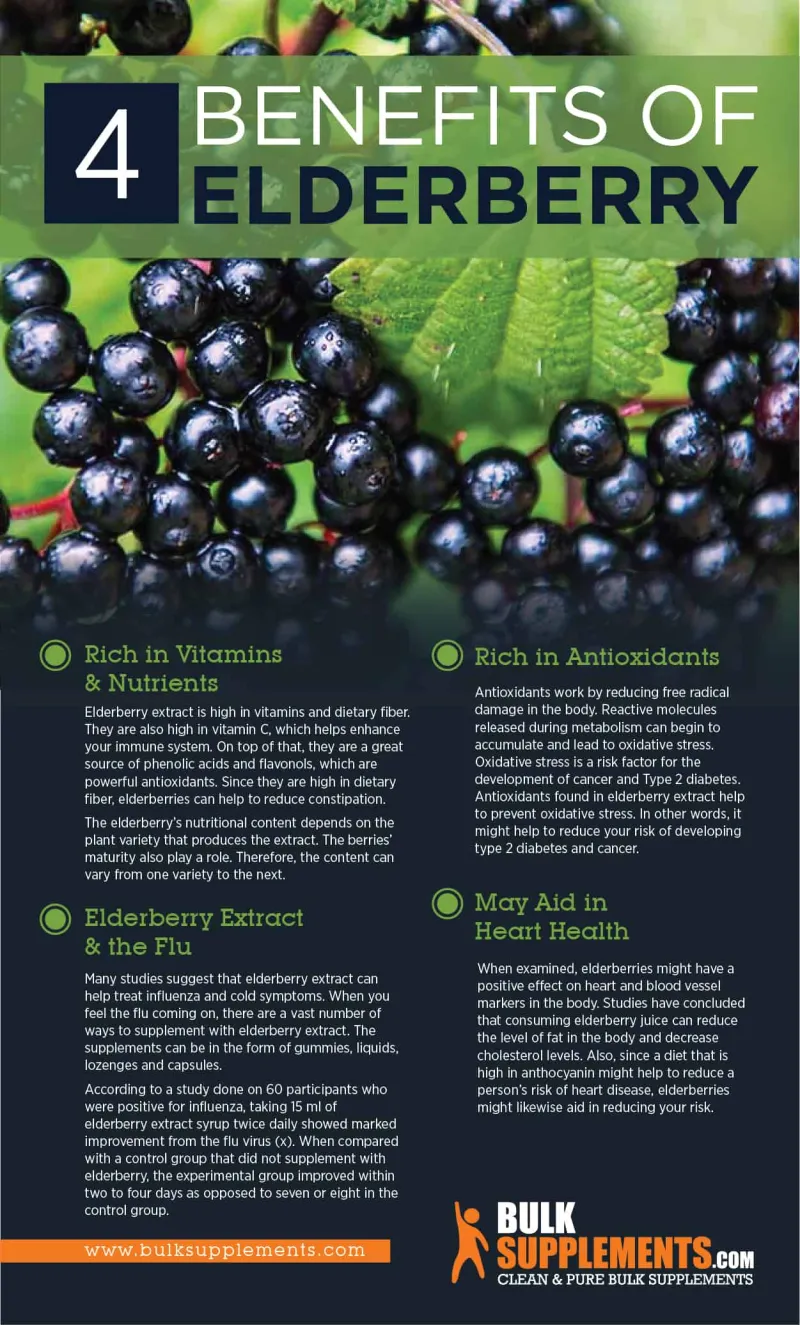
For immune support: Echinacea capsules or elderberry gummies are worth including, especially during cold and flu season. Airports are notoriously high-traffic environments, and your immune system takes a hit from recycled air, disrupted sleep, and stress.
Packing Tips That Actually Work
Organization is everything when you're moving fast through airports. A few practical habits make a real difference:
- Use a small, dedicated pouch for all your supplements. A clear toiletry bag or a small zippered travel case keeps everything in one place and makes bag checks much faster.
- Decant into smaller containers rather than bringing full-size bottles. Weekly pill organizers work great for capsules, and mini glass jars with tight lids are ideal for loose herbs or powders.
- Label everything clearly. Handwritten labels on tape work fine. If something looks unidentifiable, a label removes all doubt.
- Keep a digital copy of any supplement labels or product pages on your phone. This is overkill for most trips, but if you're traveling internationally or carrying something less common, it's a useful backup.
A Note on International Travel
If you're heading outside the US, the rules shift significantly. Many countries have strict regulations around importing herbal products, and what's freely available here may be prohibited or controlled elsewhere. Always research the destination country's customs rules before packing herbal supplements for international flights. Declaring items when in doubt is always the safer move.
Your Wellness Routine Doesn't Have to Stay Home
Travel disrupts almost everything — your sleep, your eating habits, your workout routine. Your herbal wellness practice doesn't have to be another casualty. With a little planning and the right packing strategy, you can move through airports confidently and arrive at your destination with your body and mind better supported for whatever comes next.